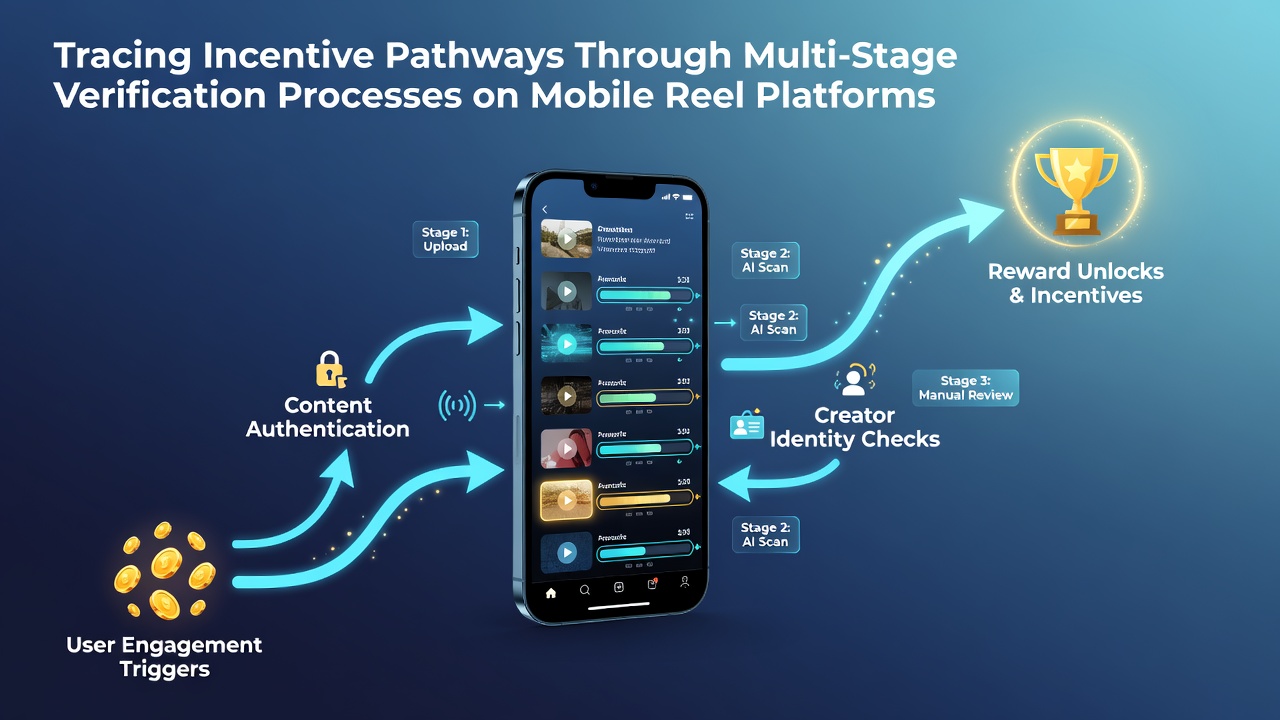
Tracing Incentive Pathways Through Multi-Stage Verification Processes on Mobile Reel Platforms
Operators on mobile reel platforms manage incentive pathways through layered verification sequences that confirm player eligibility at each step before releasing rewards, and these sequences typically begin with basic account registration followed by identity checks and deposit confirmations. Research from the University of Las Vegas gaming studies program shows that platforms complete initial verification within minutes when automated systems cross-reference user data against external databases, yet subsequent stages require additional documentation such as proof of address or banking details to unlock higher-tier incentives.
Data from the North American Association of Gaming Regulators indicates that multi-stage processes reduce unauthorized claims by up to 40 percent in regulated markets, while mobile platforms integrate these checks directly into app workflows to maintain session continuity. Players often encounter the first stage immediately upon signup, where email and phone validations occur, and this leads directly into a second stage that examines transaction history to confirm deposit sources before any bonus activation proceeds.
Initial Registration and Identity Confirmation Stages
Registration on mobile reel platforms collects core details that feed into automated screening tools, and these tools flag discrepancies in real time so operators can request corrections without halting the entire process. According to reports issued by the Canadian Centre for Gaming Research, platforms in provinces like Ontario complete this identity layer using government-issued ID uploads that integrate with facial recognition software, which shortens verification times compared to manual reviews used in earlier systems. Once identity clears, the pathway advances to transaction verification where deposit amounts and payment methods undergo scrutiny to ensure compliance with anti-money laundering protocols.
Platforms frequently embed these checks within the app interface, so users see progress indicators that guide them through each requirement while the system logs every action for audit trails. Observers note that seamless integration prevents drop-off rates from spiking during early stages, and data collected here forms the foundation for later incentive calculations tied to player activity levels.
Transaction and Playthrough Verification Layers
After identity confirmation, transaction verification examines funding sources and applies risk scoring algorithms that assign values based on payment velocity and geographic factors. Figures released by the Australian Gambling Research Centre reveal that platforms using these scoring models process over 85 percent of deposits automatically, while the remaining cases route to manual review teams that resolve flags within 24 hours. This stage directly influences incentive eligibility because many rewards activate only after confirmed deposits reach a minimum threshold.
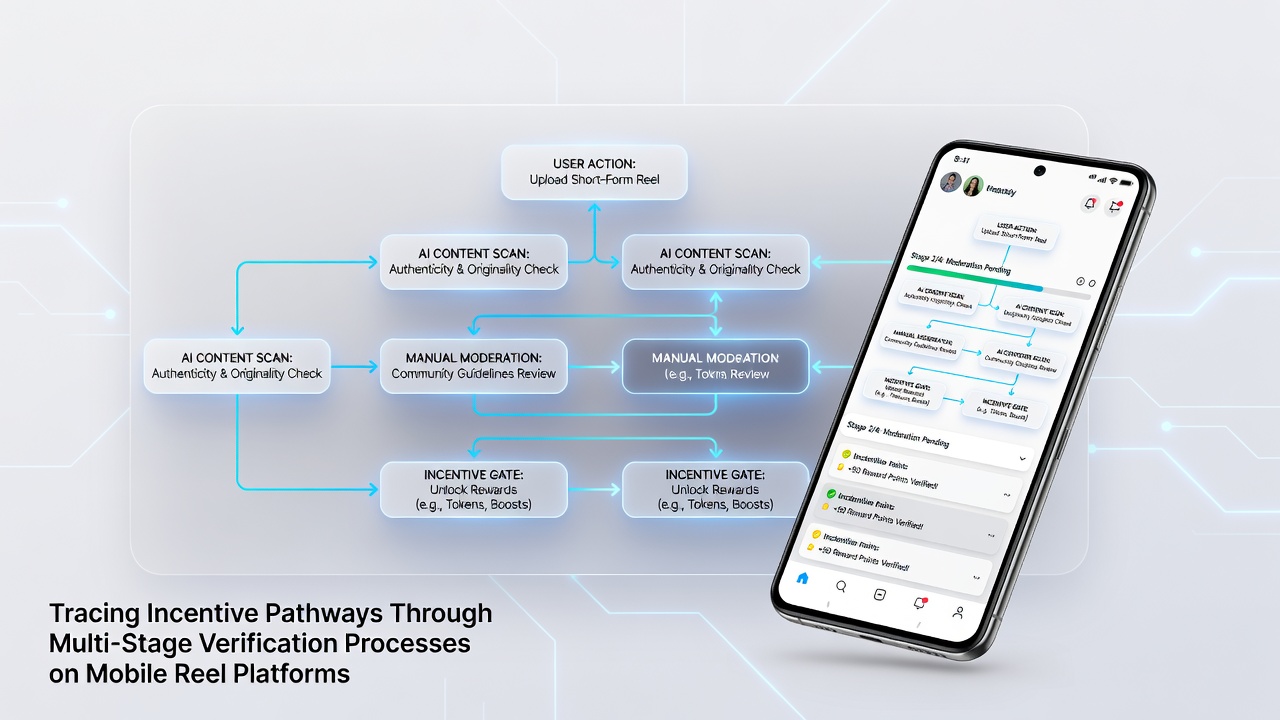
Playthrough verification follows as the third major layer, where operators track wagering activity against predetermined requirements attached to each incentive. Systems monitor spin counts, bet sizes, and game categories in real time to calculate progress toward completion, and players receive dashboard updates that display remaining obligations. In June 2026 several North American jurisdictions began piloting unified reporting standards that allow platforms to share verified playthrough data across operators, which streamlines player movement while preserving individual incentive histories.
Advanced Compliance and Cross-Platform Tracking
Final verification stages incorporate compliance checks that review overall account behavior for signs of irregular patterns, and these checks often involve third-party services that supply additional data points such as device fingerprinting. Industry reports from the European Interactive Gaming Association document how such measures help platforms maintain regulatory standing across multiple markets simultaneously. Mobile reel platforms now link these advanced stages to cross-platform tracking systems that follow incentives even when players switch devices or operating systems mid-session.
Operators maintain detailed logs at every stage so that incentive pathways remain transparent during regulatory audits, and this documentation supports accurate payout calculations once all conditions clear. Those who study platform operations find that integrated APIs reduce errors in pathway tracing by connecting registration data directly to playthrough metrics without manual data transfers.
Conclusion
Multi-stage verification processes on mobile reel platforms establish clear pathways for incentive distribution by sequencing identity, transaction, playthrough, and compliance checks in logical order. Platforms that implement these sequences efficiently report higher retention among verified users, and ongoing developments in data sharing protocols continue to refine how operators trace rewards from initial claim through final fulfillment. The structure ensures accountability while supporting the operational scale required by modern mobile gaming environments.