Tracing Connections Between Session Duration Patterns and Accumulative Prize Structures in Regulated Digital Slot Offerings
Session duration patterns in regulated digital slot offerings reveal measurable links to accumulative prize structures, where extended play periods often align with progressive jackpot pools and layered multiplier systems that build over time. Data from multiple jurisdictions indicates players who remain active for longer stretches encounter more frequent opportunities to trigger accumulative features, yet these connections depend on specific game mechanics rather than random chance alone. Researchers tracking behavioral logs across licensed platforms note that average session lengths have remained steady even as prize accumulation models evolve with regulatory updates.
Patterns in Player Session Lengths
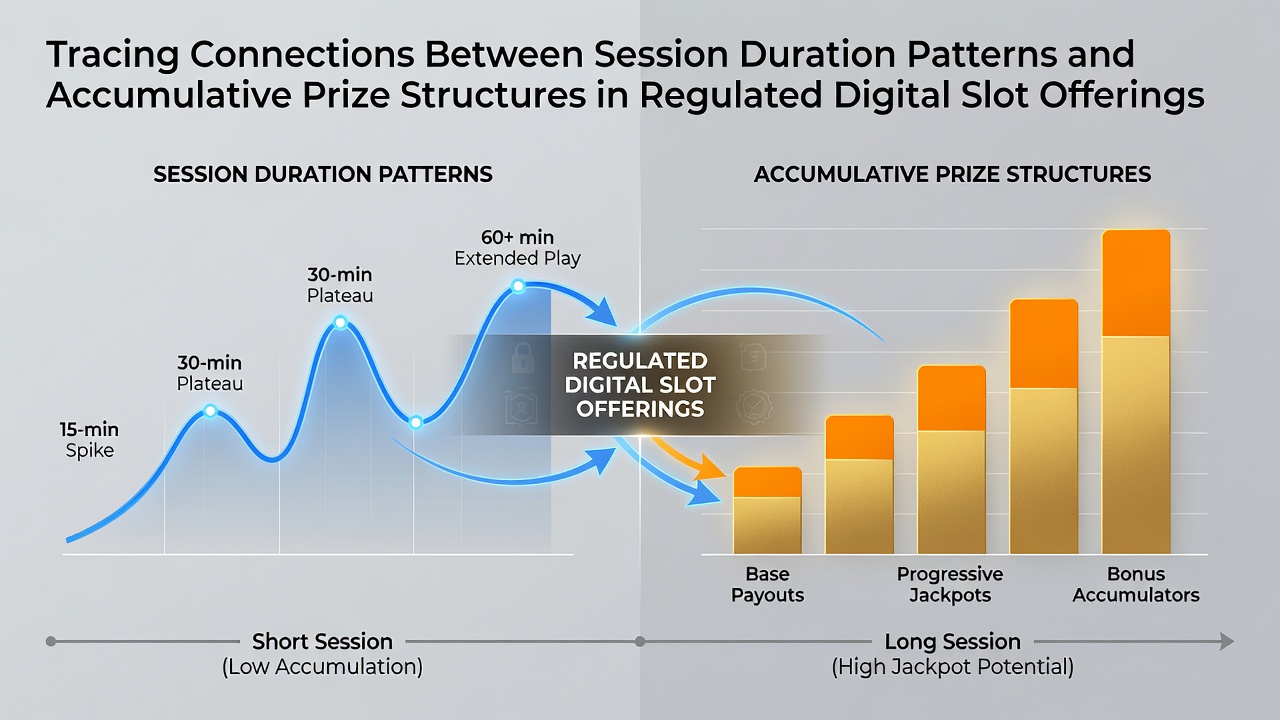
Studies compiled by academic institutions and regulatory bodies show typical session durations in digital slots range from 20 to 45 minutes, with some participants extending beyond an hour when accumulative elements activate. Canadian provincial data, for instance, highlights how sessions lasting over 30 minutes correlate with higher interaction rates on titles featuring escalating prize pools. Those who've examined transaction records observe that shorter bursts under 15 minutes rarely reach the thresholds needed for bonus rounds tied to cumulative wins.
What's interesting is how these durations shift when prize structures incorporate visible progress meters. Operators in regulated markets report players pausing less frequently once meters near activation points, creating longer continuous play windows. Evidence from industry reports suggests this pattern holds across different stake levels, although regional variations appear in markets like Australia where time-based caps influence overall engagement.
Accumulative Prize Mechanisms at Work
Accumulative prize structures operate through incremental contributions from each wager, feeding into shared or individual pools that grow until triggered. These systems often include mystery jackpots, progressive links, and reel-based multipliers that compound during extended sequences. According to analyses from the University of Nevada, Reno gaming research group, such features require sustained input to reach meaningful payout tiers, which directly ties into how long a session unfolds.
Game designers integrate these elements so that partial collections carry forward across spins, encouraging continuity without guaranteeing outcomes. In practice, platforms display real-time pool values that update with every qualifying bet, providing transparent feedback on accumulation rates. Observers note this visibility encourages some users to adjust their pace, extending time on device to witness incremental gains.
Documented Connections and Data Trends
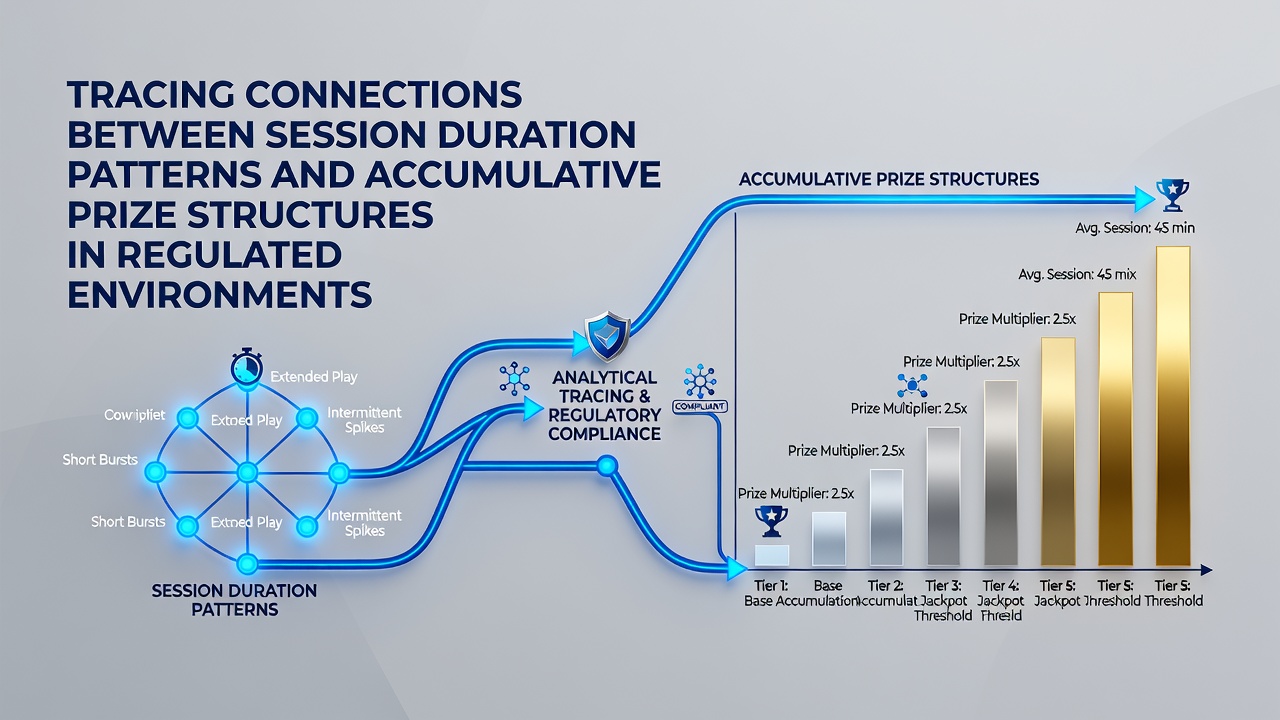
Cross-referenced datasets reveal that sessions exceeding 40 minutes show elevated exposure to accumulative triggers, particularly in games where prize pools reset at set intervals. A report from the American Gaming Association outlines how these overlaps appear consistently in licensed environments, with statistical models linking duration metrics to prize activation frequency. Yet the relationship remains correlational, influenced by factors like volatility settings and payout tables rather than direct causation.
European regulatory reviews from 2025 onward further illustrate shifts in these dynamics. Figures released around June 2026 indicate updated compliance frameworks in several member states prompted operators to refine accumulation speeds, resulting in more predictable session extensions for certain player cohorts. Research indicates that when pools accumulate at moderate rates, engagement periods stabilize instead of spiking or dropping sharply.
Regulatory Influences on These Dynamics
Regulated markets impose requirements that shape both session monitoring and prize transparency, such as mandatory disclosures on accumulation rates and session time alerts. These rules aim to maintain fairness while allowing prize structures to function as designed. Data from Australian government inquiries demonstrates how time-limit policies interact with progressive systems, often leading to adjusted play patterns without altering underlying accumulation formulas.
Operators must balance these constraints with game integrity standards, ensuring accumulative features do not disproportionately favor prolonged activity. Industry associations track compliance through anonymized logs, revealing that most platforms maintain session averages within expected ranges despite evolving prize models. Those analyzing the sector point to consistent outcomes across jurisdictions where similar oversight applies.
Conclusion
Connections between session duration patterns and accumulative prize structures emerge clearly from aggregated operational data and academic examinations in regulated digital slot offerings. Longer engagements align with greater access to building prize elements, supported by transparent mechanics and regional reporting standards. As frameworks continue to adapt through 2026 and beyond, these relationships provide measurable insights into how design choices and oversight intersect without relying on unsubstantiated assumptions.