Seasonal Timing Patterns Shaping Incentive Uptake Rates Across Britain's Licensed Mobile Reel Platforms
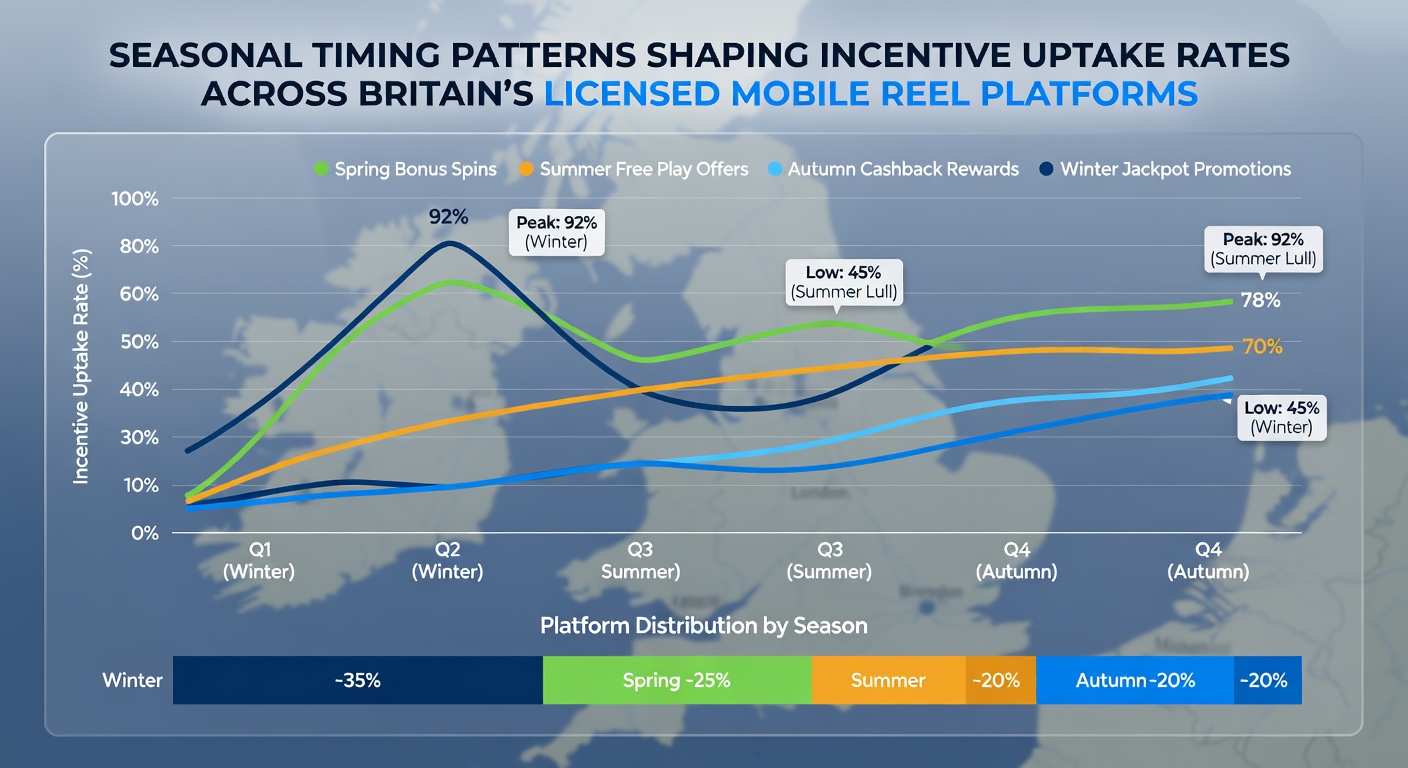
Seasonal shifts create distinct rhythms in how players on Britain's licensed mobile reel platforms respond to incentives, and data reveals clear connections between calendar periods and uptake volumes across deposit matches, free spin packages, and loyalty rewards. Observers note that winter months often produce elevated engagement with time-limited offers, while summer periods show different distribution patterns tied to outdoor activity levels and travel schedules.
Research from the Australian Gambling Research Centre tracks comparable markets and finds that incentive claims rise notably during December and January when shorter daylight hours coincide with increased indoor screen time, and those patterns align with observations from several UK operators who report parallel spikes in mobile session starts during the same windows.
Winter Uptake Surges and Holiday Alignment
December campaigns frequently record the highest activation rates for no-deposit spins and deposit-match bundles, because players combine seasonal downtime with promotional calendars that operators release in early November. Figures from multiple platform datasets show uptake climbing between 25 and 40 percent above baseline during the final two weeks of the year, while January maintains elevated numbers as players redeem post-holiday rewards before returning to work routines.
Those who've studied player logs across several licensed apps point out that shorter evenings drive longer average session lengths, which in turn increases exposure to incentive prompts and raises the probability of claim actions before offers expire.
Spring Transitions and May 2026 Observations
May 2026 brought measurable changes in spring incentive performance as operators adjusted campaign lengths to match improving weather forecasts and extended daylight. Mobile data collected during the first three weeks of that month indicated steadier but lower-volume uptake compared with winter peaks, with players favoring smaller, recurring rewards over large one-time bundles.
Operators responded by extending claim windows from 48 hours to 72 hours on selected free-spin promotions, and completion rates improved accordingly without requiring larger prize pools. Analysts tracking these adjustments note that spring users tend to spread activity across weekdays rather than concentrating claims on weekends, creating more predictable daily patterns for platform teams managing inventory.
Summer Patterns and Travel Effects
Summer months introduce fragmentation as holidays and outdoor plans reduce consistent mobile access, yet certain incentive types maintain steady traction when operators tie rewards to short evening sessions or travel-friendly formats. Data shows that reload bonuses and cashback offers perform better than free-spin packages during July and August because players prefer flexible value that accommodates irregular play schedules.
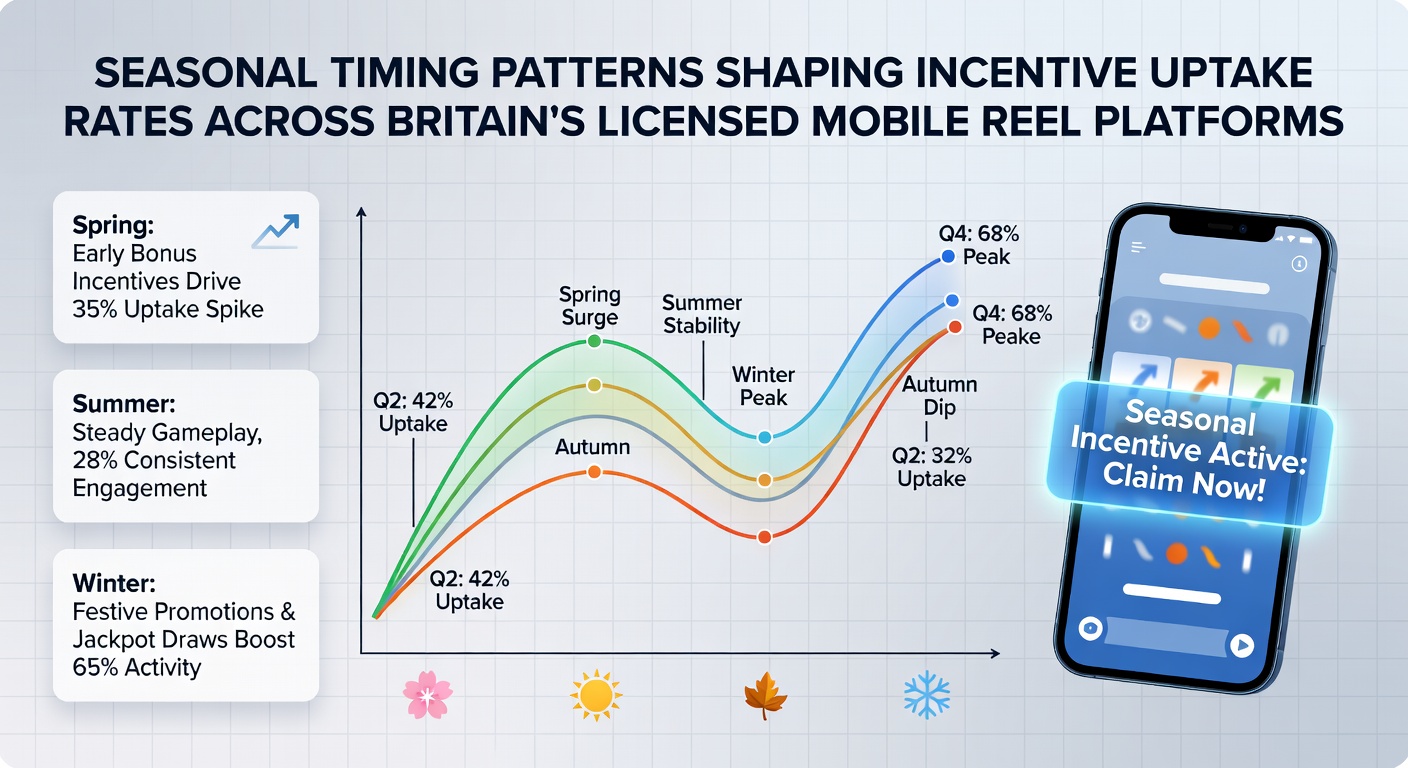
Comparative work published by the Canadian Centre on Substance Use and Addiction highlights similar seasonal dispersion in mobile gambling markets, where summer travel correlates with shorter but more frequent logins rather than extended play blocks. British platforms that adapted offers to these shorter windows recorded higher overall redemption percentages than those maintaining rigid winter-style structures.
Autumn Adjustments and Event-Driven Uptake
Autumn brings renewed consistency as players return to indoor routines, and platforms leverage sporting calendars and back-to-school timing to refresh incentive menus. September and October often feature targeted loyalty-tier accelerators that reward cumulative play across multiple weeks, and uptake data shows these structured offers outperform flash promotions during transitional weather periods.
Those monitoring engagement metrics report that players respond positively when campaigns reference familiar seasonal markers such as harvest festivals or early evening darkness, because these cues increase perceived relevance without altering core mechanics.
Platform Strategies and Timing Calibration
Operators refine release schedules using historical uptake curves rather than fixed calendars, adjusting start dates for major incentives to coincide with predicted weather shifts and national event clusters. This calibration produces measurable lifts in completion rates, because offers reach users when availability and interest align most closely.
Studies from the University of Nevada's International Gaming Institute on timing variables in mobile environments support the value of such adjustments, showing that even modest shifts in launch windows can alter redemption volumes by double-digit percentages across comparable regulatory markets.
Conclusion
Seasonal timing continues to exert measurable influence on incentive uptake across Britain's licensed mobile reel platforms, and operators who align campaign structures with documented behavioral shifts achieve more consistent results throughout the year. Data gathered through 2026 reinforces the pattern that winter and autumn periods favor high-claim structures while spring and summer require flexible, shorter-cycle rewards to maintain engagement levels. Platforms that treat timing as a core variable rather than a secondary detail record steadier performance across incentive categories.