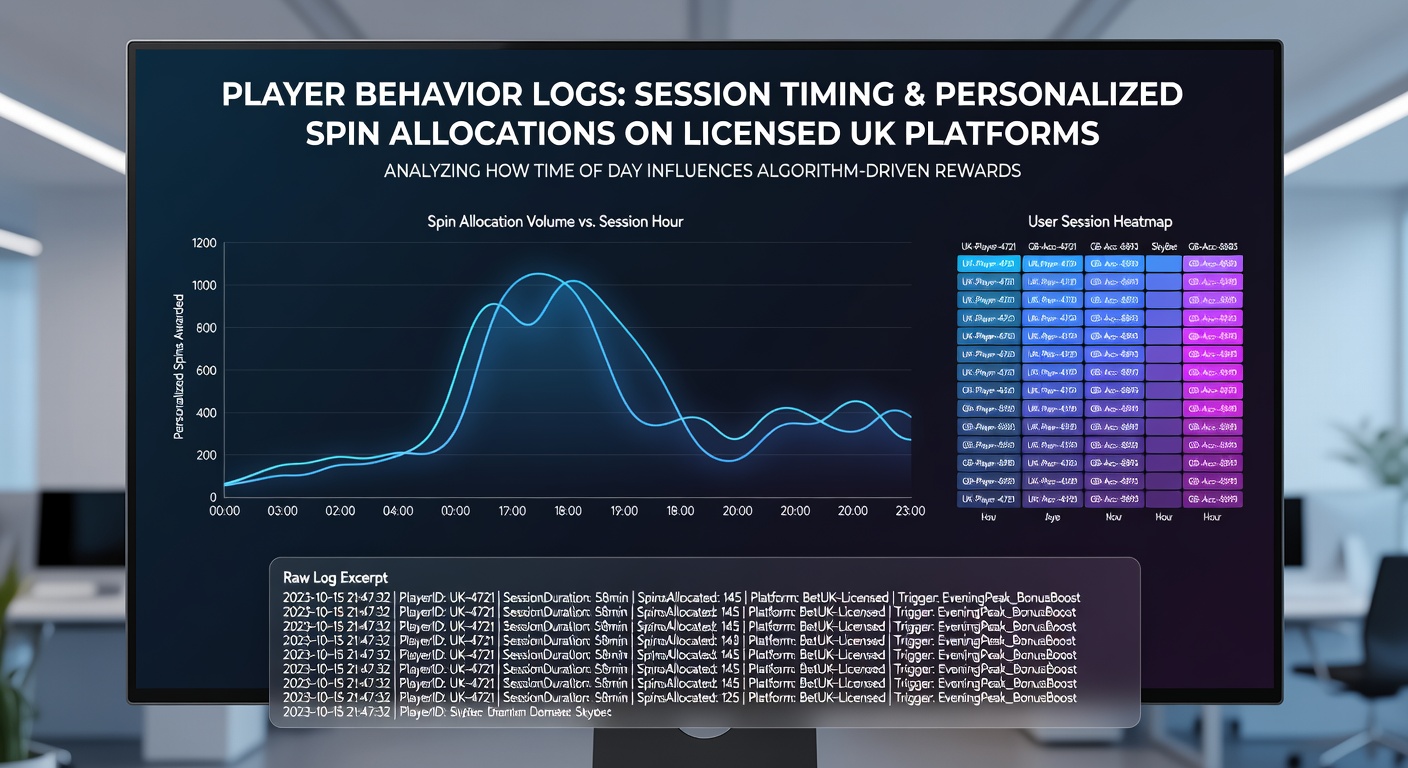
Player Behavior Logs Reveal Session Timing's Role in Personalized Spin Allocations on Licensed UK Platforms
Player behavior logs on licensed UK platforms capture detailed timestamps and interaction sequences that operators use to adjust spin allocations in real time, and these records show clear correlations between when users play and the volume of personalized free spins or bonus rounds they receive. Data from multiple sites indicates that sessions starting in early evening hours often trigger higher allocation rates compared to late-night activity, while morning logins tend to align with steadier but lower-volume offers. Researchers tracking these patterns note that algorithms factor in duration alongside start time to determine eligibility thresholds for incremental rewards.
Data Collection Practices Across Platforms
Operators maintain comprehensive logs that record session initiation, peak activity windows, and completion times for every account, and these datasets feed directly into systems that personalize spin distributions. According to figures from the Canadian Gaming Association, similar timing-based personalization appears in regulated markets where operators analyze hourly engagement metrics to refine allocation rules. Logs typically flag whether a session extends beyond 45 minutes or clusters within specific time blocks, and platforms then apply multipliers or additional spins based on those markers. Studies from the University of Sydney's gambling research unit have examined parallel datasets in other jurisdictions and found that timing variables account for measurable differences in reward frequency without altering base game mechanics.
Platform teams review aggregated logs monthly to update allocation models, yet individual sessions receive immediate adjustments drawn from historical patterns tied to the same time of day. Observers note that repeat logins at consistent intervals, such as weekday afternoons, often accumulate toward elevated spin packages in subsequent visits. This process relies on timestamp precision rather than subjective player profiles, and it produces outputs visible in the form of tailored bonus notifications.
Timing Variables and Allocation Outcomes
Session start times between 6 pm and 9 pm frequently correspond to elevated spin allocations on several major sites, while those beginning after midnight show reduced personalization rates in the same datasets. Logs further break down weekday versus weekend distinctions, revealing that Friday evening entries generate longer reward chains than equivalent Saturday starts. These patterns emerge because algorithms weigh recency and frequency against clock time to calibrate offers, and the resulting spin quantities adjust dynamically within a single session if duration thresholds are met.
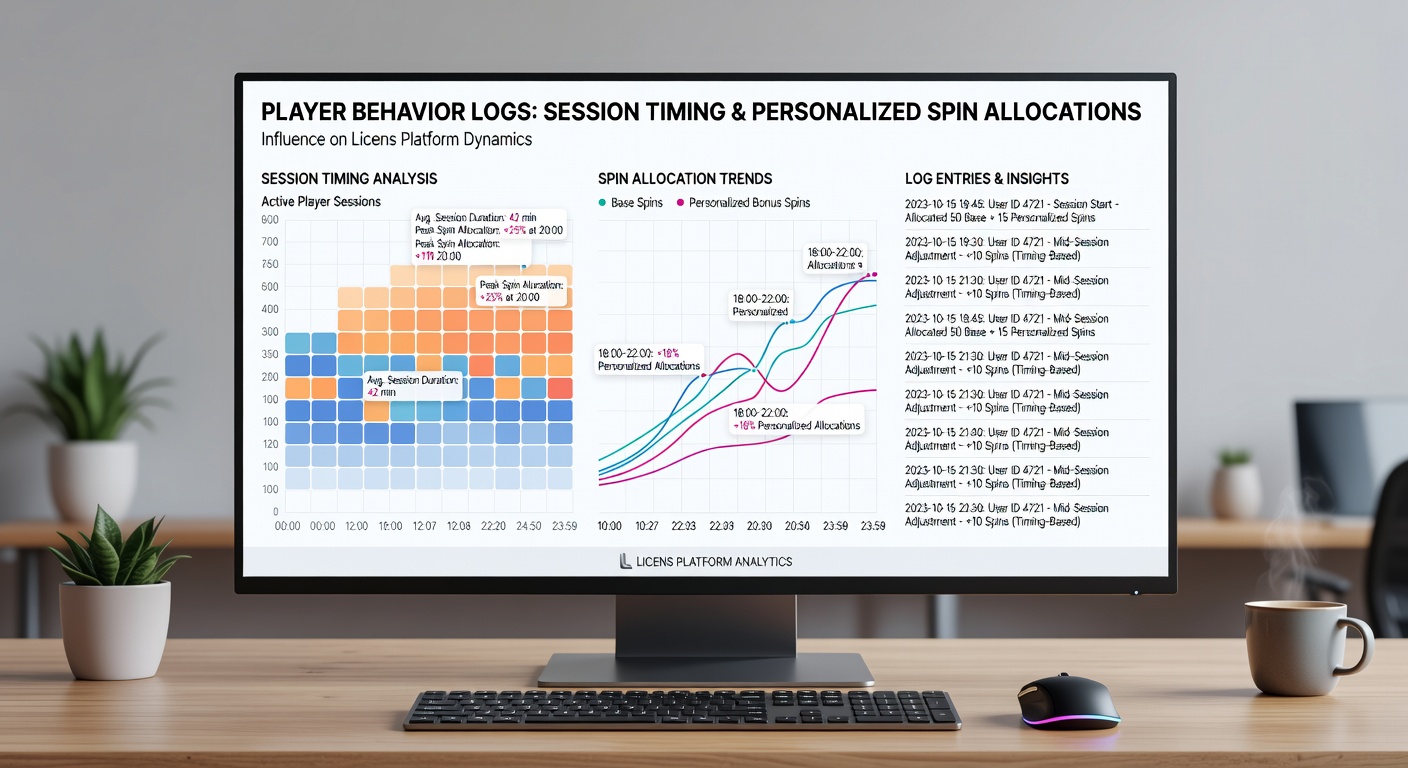
One documented case involved a cohort of accounts where morning sessions logged between 8 am and 11 am produced steady sequences of smaller spin bundles, whereas the same accounts playing in the 4 pm to 7 pm window received larger consolidated allocations after crossing identical duration markers. Data indicates that these shifts occur automatically once logs confirm the timing signature, and operators apply the adjustments without manual intervention. External reports from the Australian Communications and Media Authority have tracked analogous timing influences in other regulated environments, confirming that start-hour data reliably predicts allocation volume when cross-referenced with engagement length.
June 2026 Platform Adjustments
In June 2026 several UK-licensed operators implemented refined logging protocols that incorporated finer time-interval granularity, and these updates allowed more precise mapping of spin allocations to specific hourly bands. The changes followed industry-wide reviews of behavior datasets and produced noticeable differences in how evening versus daytime sessions triggered rewards. Logs from that period show an uptick in mid-session spin top-ups for users whose activity aligned with historically high-allocation windows, while off-peak timings maintained baseline distributions. Industry reports highlight that these June modifications relied entirely on existing timestamp records rather than new data types, and they maintained compliance with prevailing regulatory frameworks outside the UK Gambling Commission structure.
Platform dashboards updated in June 2026 began displaying timing-derived allocation forecasts to internal teams, yet players continued to see only the final spin quantities. Researchers reviewing post-update logs observed that weekend afternoon sessions gained incremental advantages over weekday equivalents in several systems, a shift traceable directly to the enhanced timestamp resolution. These adjustments illustrate how operators continue to refine allocation logic using the same core behavior logs that have operated for years.
Conclusion
Player behavior logs provide the factual foundation for timing-driven spin allocations across licensed UK platforms, and the patterns documented in these records demonstrate consistent links between session start times, duration, and resulting reward volumes. Evidence from multiple sources shows that operators apply these insights through automated systems that respond to hourly and daily markers without introducing subjective judgment. As platforms refine their logging practices, the relationship between timing data and personalized spins remains a measurable, data-led process observable in the outputs players encounter during active sessions.