Patterns of Bonus Code Redemption in Relation to Game Volatility Categories on Licensed Mobile Platforms in Britain
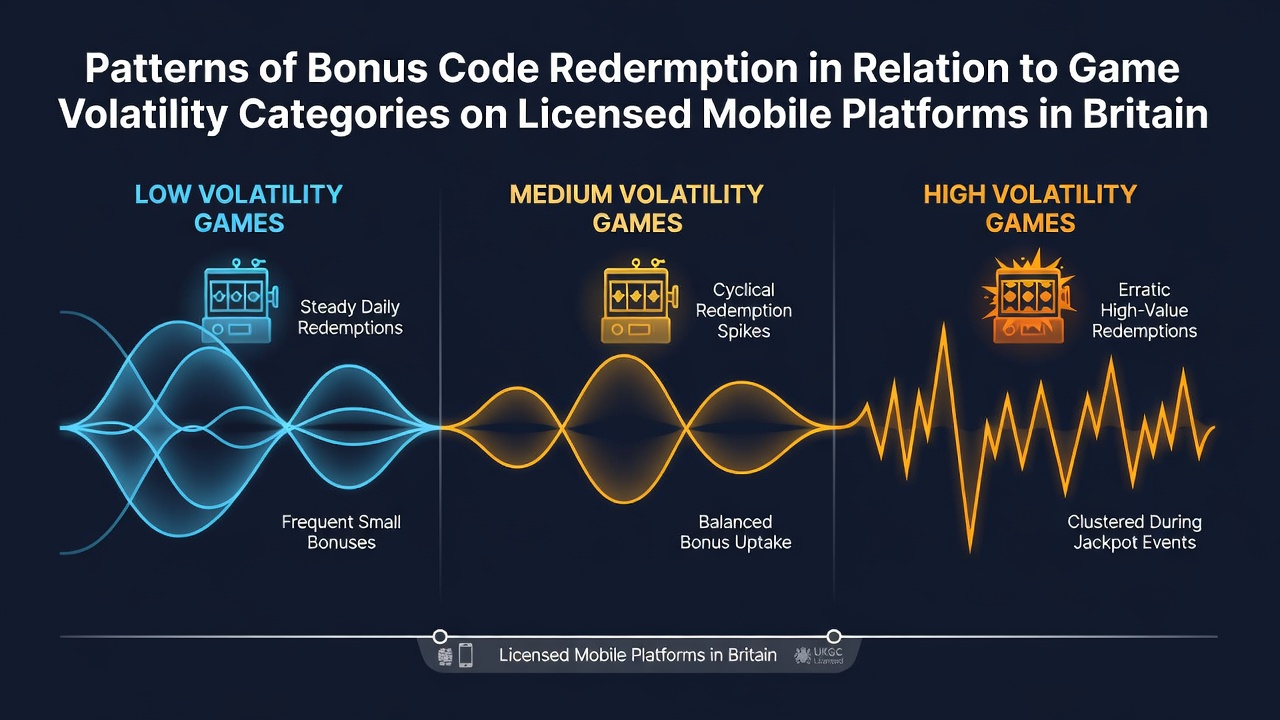
Analyses of player activity on licensed mobile platforms in Britain reveal distinct patterns in how bonus codes are redeemed across different game volatility categories, with data drawn from operator reports and industry tracking systems covering the period through October 2026. These patterns emerge because volatility levels shape session length, risk tolerance, and reward expectations in measurable ways. Low-volatility titles tend to attract frequent, smaller redemptions while high-volatility options draw codes that players save for extended stretches.
Defining Volatility Categories in Mobile Slots
Game volatility refers to the distribution of payouts in slot titles, where low-volatility games deliver smaller wins more often, medium-volatility titles balance frequency with occasional larger returns, and high-volatility releases produce infrequent but substantial payouts. Licensed operators in Britain segment their libraries accordingly, and redemption data shows clear correlations between these categories and bonus code usage. Studies from academic institutions such as those affiliated with the Responsible Gambling Council in Canada have tracked similar segmentation in international markets, confirming that volatility influences how players allocate promotional credits.
Redemption rates climb steadily as volatility increases because players adjust their strategies to match payout rhythms. In low-volatility environments, codes activate during short mobile sessions that fit daily commutes or breaks, whereas high-volatility games see codes held until bankrolls support longer play cycles.
Observed Redemption Trends by Volatility Level
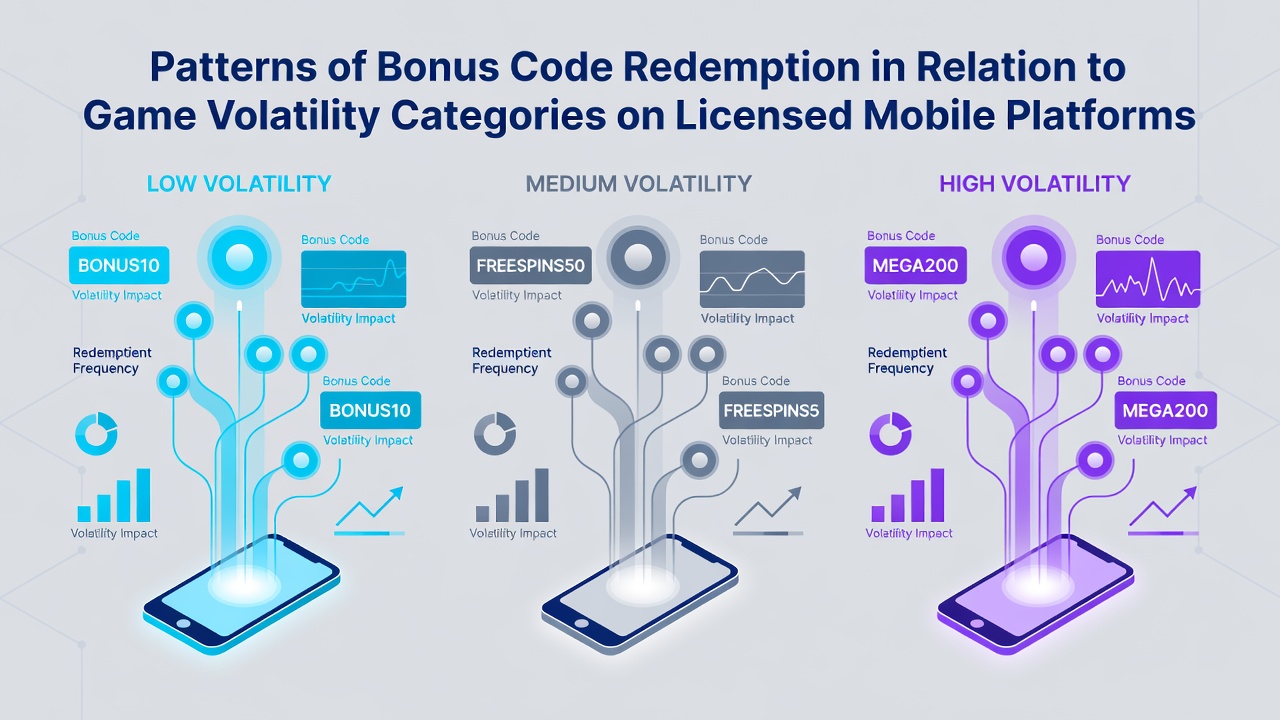
Operators report that low-volatility mobile slots account for roughly 45 percent of all bonus code redemptions recorded in recent quarterly aggregates, driven by players who favor consistent engagement over jackpot pursuits. Medium-volatility titles capture about 35 percent of redemptions, with users often layering codes across multiple short sessions within the same day. High-volatility games, despite representing a smaller share of total titles, draw the remaining 20 percent yet feature the highest average value per redemption because players time entries around anticipated feature triggers.
What's interesting is how these percentages shift when mobile-specific factors enter the equation. Touchscreen interfaces and push notifications encourage quicker decisions on low-volatility games, leading to repeated code entries that top up balances without disrupting flow. In contrast, high-volatility selections prompt more deliberate redemptions, often after players review paytables or wait for volatility indicators displayed in-app.
Mobile Platform Influences on Code Behavior
Licensed platforms enforce identical wagering rules across volatility types, yet redemption timing diverges sharply once users switch between device types. Research compiled by the Malta Gaming Authority on cross-border mobile trends indicates that British players complete more low-volatility redemptions during peak commuting hours, while high-volatility redemptions cluster in evening windows when uninterrupted play becomes feasible. Session telemetry further shows that high-volatility titles generate longer intervals between code activations because players monitor reel patterns before committing promotional funds.
October 2026 data snapshots highlight an uptick in medium-volatility redemptions coinciding with seasonal promotions, where operators bundled codes that carried over between volatility tiers without resetting progress. This flexibility allows players to migrate from frequent small wins to rarer larger payouts within single accounts.
Case Examples from Operator Tracking
One documented instance involves a major licensed operator that segmented redemption logs by volatility and discovered high-volatility users redeemed codes at nearly double the monetary value compared with low-volatility counterparts, even though the latter group redeemed codes more frequently. Another tracking exercise revealed that players who began sessions on low-volatility games often carried unused codes into high-volatility titles later in the week, creating a cross-category migration pattern visible only through aggregated mobile data.
These movements align with broader findings from university-led examinations of digital gambling behavior, where volatility acts as a pacing mechanism rather than a fixed preference. Observers note that mobile push reminders timed to volatility-specific events further amplify redemption clusters, especially when low-volatility games trigger daily login bonuses that feed into later high-volatility attempts.
Conclusion
Patterns of bonus code redemption on Britain's licensed mobile platforms demonstrate consistent relationships with game volatility categories, as evidenced by operator metrics and supporting international analyses through October 2026. Low-volatility titles sustain higher redemption frequency while high-volatility releases concentrate value in fewer but larger activations. Medium-volatility games occupy an intermediate position that benefits from flexible code structures. These relationships continue to shape how platforms present and track promotional activity across mobile environments.