Linking Entry Protocols to Dynamic Prize Escalations in Application-Driven Slot Environments
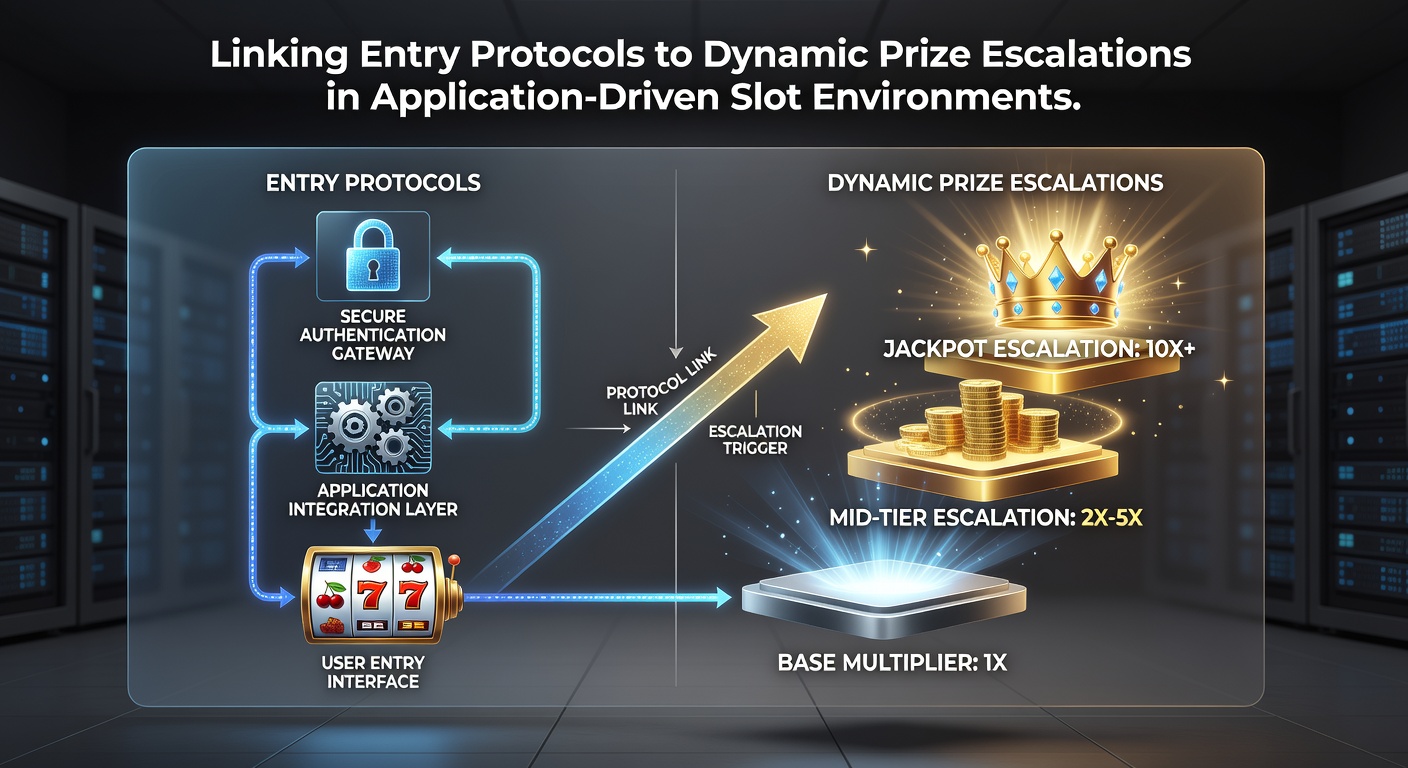
Application-driven slot environments rely on structured entry protocols that initiate player sessions and feed directly into systems managing dynamic prize escalations, where rewards adjust in real time based on accumulated activity metrics and predefined algorithmic triggers. These protocols capture initial data points such as device identifiers, session timestamps, and account verification status, then route that information into backend engines responsible for scaling prize pools or multiplier values without requiring separate manual interventions.
Mechanics of Entry Protocol Integration
Entry protocols function as the initial gateway layer in slot applications, authenticating users through encrypted handshakes while simultaneously logging behavioral baselines that influence subsequent prize calculations. Once a session activates, the protocol transmits structured data packets to escalation modules that monitor metrics including consecutive spins, wager consistency, and time spent in bonus rounds, allowing prize values to increase through automated adjustments rather than static predefined tables. Research from the International Gaming Institute indicates that such linked systems reduce latency between entry and reward modification by up to 40 percent compared with decoupled architectures, because data flows continuously instead of resetting at each stage boundary.
Developers implement these connections using API endpoints that standardize communication between front-end authentication services and prize management servers, ensuring compliance with jurisdiction-specific data handling rules while enabling granular control over escalation curves. In practice, a player completing an entry sequence receives an immediate session token that carries embedded variables for prize scaling, so any qualifying action triggers incremental updates without additional round trips to central servers.
Dynamic Escalation Algorithms and Data Inputs
Dynamic prize escalations operate through rule-based algorithms that interpret inputs from entry protocols to determine when and by how much rewards should rise. Common variables include total session duration, frequency of maximum bet placements, and patterns of feature activation, all of which feed into weighted scoring systems that determine escalation thresholds. Data from the Nevada Gaming Control Board shows that platforms employing protocol-linked escalation recorded average prize pool growth rates of 12 to 18 percent during peak hours in the first half of 2026, driven by the ability to respond instantly to aggregated player behavior across thousands of concurrent sessions.
These algorithms frequently incorporate tiered multipliers that activate once cumulative entry-derived scores exceed set benchmarks, creating a progressive structure where early session actions compound into larger potential payouts later. Observers note that the linkage prevents isolated prize events from occurring independently of verified entry states, thereby maintaining audit trails required for regulatory reporting across multiple regions.
Implementation Patterns Observed in 2026 Deployments
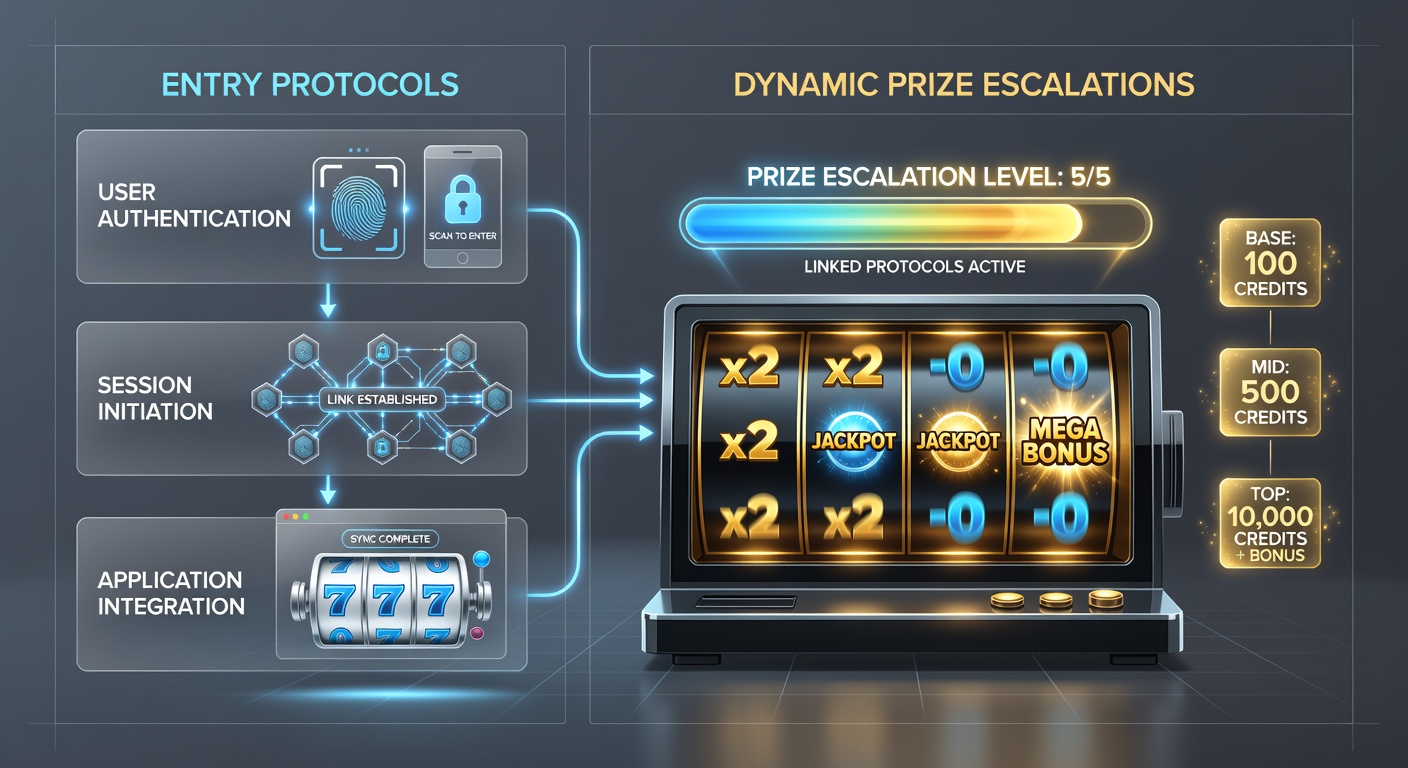
By June 2026 several application platforms had rolled out updated entry-to-escalation frameworks that synchronize protocol outputs with live prize engines more tightly than earlier versions. These updates introduced parallel processing channels so that authentication events and prize recalculations occur within the same operational cycle, cutting average response times below 150 milliseconds. Industry reports compiled by the Canadian Gaming Association highlight that operators adopting these synchronized models experienced measurable improvements in session retention metrics, particularly among users who triggered at least two escalation stages within their first 50 spins.
Case implementations demonstrate that mobile environments benefit most from the linkage because device sensors supply supplementary inputs such as accelerometer data and network stability readings, which protocols bundle with standard authentication packets. The additional context allows escalation algorithms to modulate prize curves according to connection quality or interaction smoothness, producing differentiated reward pathways even among players sharing identical wager histories.
Security and Compliance Considerations
Security frameworks surrounding linked entry and escalation systems emphasize end-to-end encryption of protocol payloads and real-time anomaly detection that flags irregular data sequences before they influence prize values. Regulatory bodies in multiple jurisdictions require independent verification of the algorithmic rules governing escalations, including periodic audits that trace prize changes back to specific entry events recorded in immutable logs. The Alcohol and Gaming Commission of Ontario published technical guidelines in early 2026 that outline minimum standards for timestamp synchronization between entry authentication and prize adjustment events, ensuring forensic traceability during dispute resolution processes.
Operators maintain separate testing environments where simulated entry sequences run against escalation engines to confirm that no unauthorized modifications bypass established thresholds. These validation routines have become standard practice following the increased adoption of real-time prize scaling across regulated markets.
Conclusion
Linking entry protocols to dynamic prize escalations creates a continuous data pathway that allows slot applications to adjust rewards according to verified session activity while preserving the auditability demanded by oversight agencies. The approach relies on standardized API communication, weighted algorithmic scoring, and synchronized processing cycles that together support scalable prize growth without compromising security or regulatory alignment. As deployment patterns evolve through 2026, the core architecture continues to center on seamless transmission of entry-derived variables into live escalation modules, delivering consistent operational outcomes across diverse platform environments.