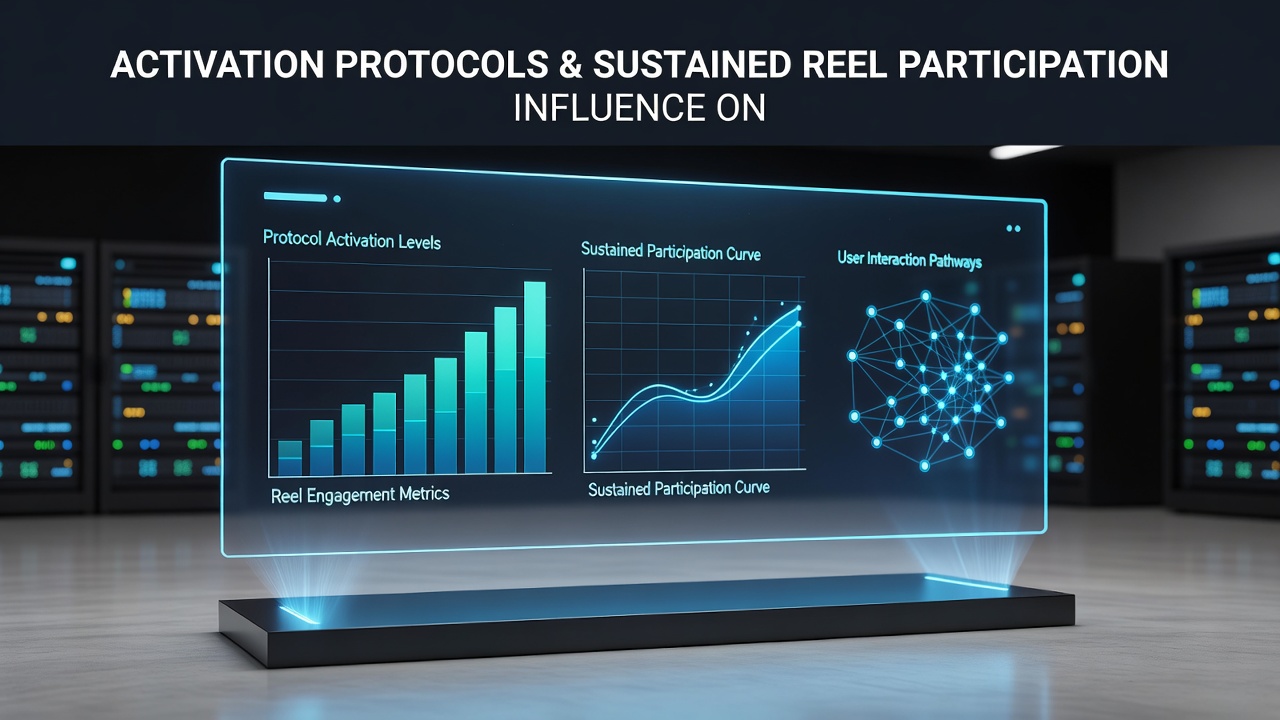
Activation Protocols and Their Influence on Sustained Reel Participation
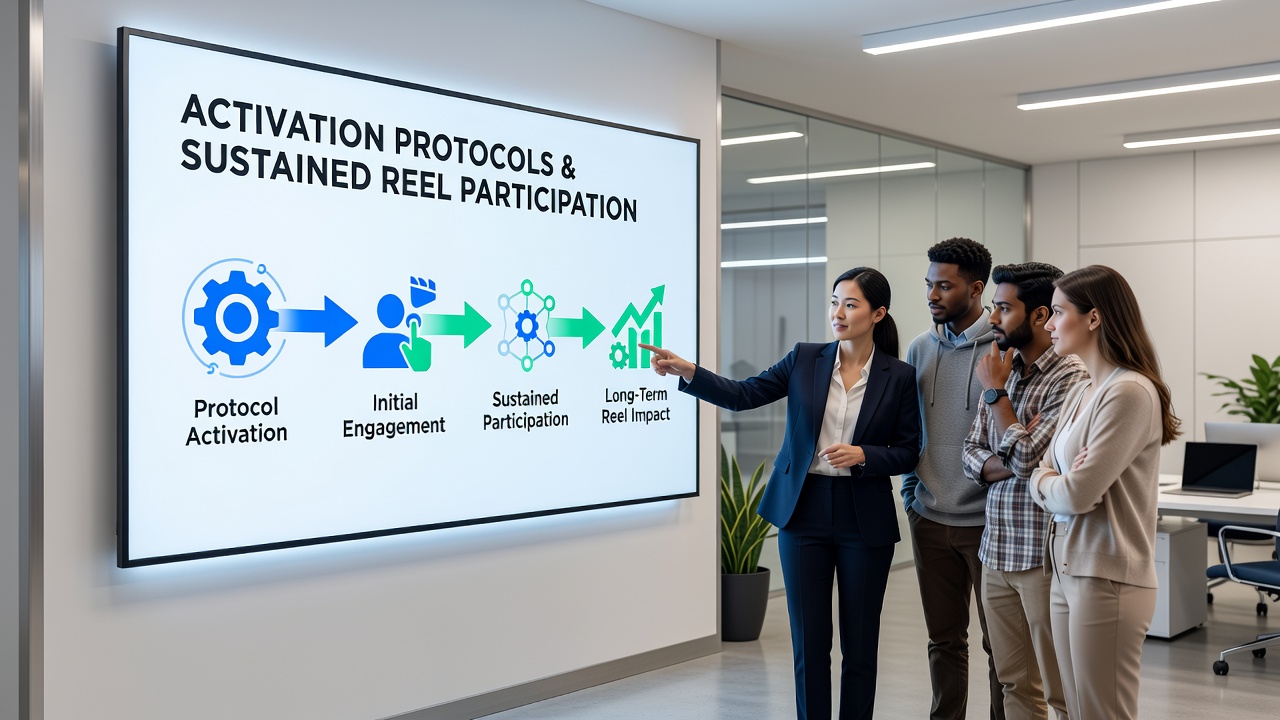
Activation protocols in reel-based gaming systems define the precise sequences that initiate and maintain player engagement with spinning reels, and these mechanisms directly shape how long participants remain involved in each session. Data from regulatory bodies shows that structured activation steps, including verification checks and session initialization routines, correlate with measurable extensions in play duration across both land-based and digital platforms.
Core Components of Activation Protocols
These protocols typically encompass identity confirmation, balance synchronization, and rule-set loading before the first reel spin occurs, while subsequent triggers such as auto-resume functions or progressive feature unlocks keep the reels in continuous motion without requiring repeated manual starts. Observers note that when these steps operate smoothly, participation rates hold steady because players encounter fewer interruptions that might otherwise prompt session termination.
Technical Integration in Modern Systems
Software developers embed activation sequences into the game engine so that each reel rotation follows immediately after the previous one completes its evaluation cycle, and this seamless flow relies on real-time server responses that adjust for network latency. Research from the Nevada Gaming Control Board indicates that optimized protocols reduce downtime between spins by up to 40 percent in tested environments, allowing sustained reel participation to extend beyond baseline averages recorded in earlier system versions.
Impact on Session Longevity
Figures from industry monitoring reveal that games employing layered activation triggers maintain higher average session times compared with those using single-point initiation, because players receive incremental confirmations that reinforce continued interaction. One documented case involved a multi-state operator that introduced timed activation renewals, after which participation metrics climbed steadily over a six-month observation window ending in early 2026.
June 2026 brought updated technical standards in several North American jurisdictions that required explicit logging of activation events, and these changes enabled clearer tracking of how protocol variations affect reel engagement patterns across different machine types.
Regional Variations in Protocol Design
European markets have adopted activation frameworks that emphasize rapid feature handoffs between base reels and secondary bonus wheels, whereas North American implementations often prioritize sequential verification layers before allowing extended play cycles. The Australian Gambling Research Centre published comparative data in 2025 that highlighted how these regional differences produce distinct participation curves, with European-style protocols showing quicker initial uptake but North American variants supporting longer overall durations.
Data Patterns Across Platforms
Longitudinal studies demonstrate that activation protocols incorporating visual or auditory cues at each stage help sustain attention, leading to measurable increases in completed reel cycles per hour. Those who've analyzed operator logs across multiple venues report that protocols allowing partial state preservation between sessions reduce re-entry friction, which in turn supports repeated participation without full restarts.
Future Protocol Developments
Engineers continue refining activation logic to accommodate variable stake levels and adaptive difficulty adjustments, and these enhancements aim to keep reel participation consistent even as external factors such as time-of-day restrictions come into play. Evidence gathered through 2026 suggests that systems capable of dynamic protocol scaling maintain steadier engagement metrics during peak and off-peak periods alike.
Conclusion
Activation protocols serve as foundational elements that govern the rhythm of reel participation, and their ongoing evolution continues to influence how gaming sessions unfold across diverse regulatory landscapes. Continued monitoring by oversight agencies will likely yield additional insights into the precise relationships between protocol design and sustained engagement levels.